Every cell in your body runs on instructions. When to repair. When to grow. When to rest. When to regenerate. Peptides are one of the body’s most important ways of sending those instructions.
Each peptide has a job. Some drive tissue repair. Others influence metabolism, immune function or hormone release. When a peptide reaches its receptor, think of a key meeting its lock, it triggers a specific response inside the cell. Scientists call this receptor-mediated signalling. You can just call it the body listening to a clear instruction.
Working with the body, not against it
Most medicines block or suppress a process. Peptides tend to do the opposite: they encourage normal function. Growth-hormone secretagogue peptides, for example, prompt your own natural growth-hormone pulses rather than replacing the hormone wholesale. The body stays in charge.
Once administered, peptides circulate briefly, do their work, then break down into amino acids. That short half-life is a feature, not a flaw: it allows precise control and reduces the risk of anything accumulating where it shouldn’t.
How they’re delivered
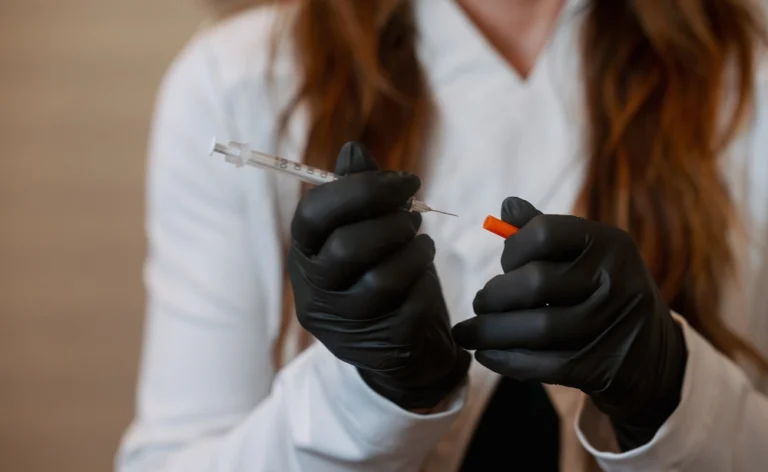
- Subcutaneous injection, meaning just under the skin. The most common route for most therapeutic peptides.
- Nasal spray, used for certain peptides.
- Topical application, for specific skin peptides.
The method depends on the peptide and the clinical goal, not on preference.
Why it’s never one-size-fits-all
Dose, frequency and duration are tailored to the individual. Age, metabolic health, training load and medical history all change how a peptide behaves in you specifically. Because peptides work with existing systems, results build gradually. Most people notice sleep, recovery, energy and skin shifting over weeks, with the meaningful changes landing over months.
The takeaway
Peptides are precise instructions, not blunt force. Precision is also why oversight matters: incorrect dosing or poor-quality sourcing wastes the upside and invites the downside. At Oryx, peptide therapy is prescription-based and clinician-monitored from the first consultation onward.
IMPORTANT INFORMATION
This article is general education, not medical advice, and it is not a recommendation to use any specific treatment. Peptide therapy at Oryx is prescription-only: nothing is dispensed without a consultation with a doctor registered with the Health Professions Council of South Africa, and not everyone who is assessed is prescribed treatment. Most therapeutic peptides are not registered medicines in South Africa. If you have a medical condition, or you take other medication, speak to your doctor before considering any treatment.